
Solar
What Happens to Old Panels? Recycling and Responsible Disposal
Upgrading your solar shouldn't mean sending the old panels to landfill. Here's what's actually inside a panel, how recycling works in Australia, and what to ask your installer.
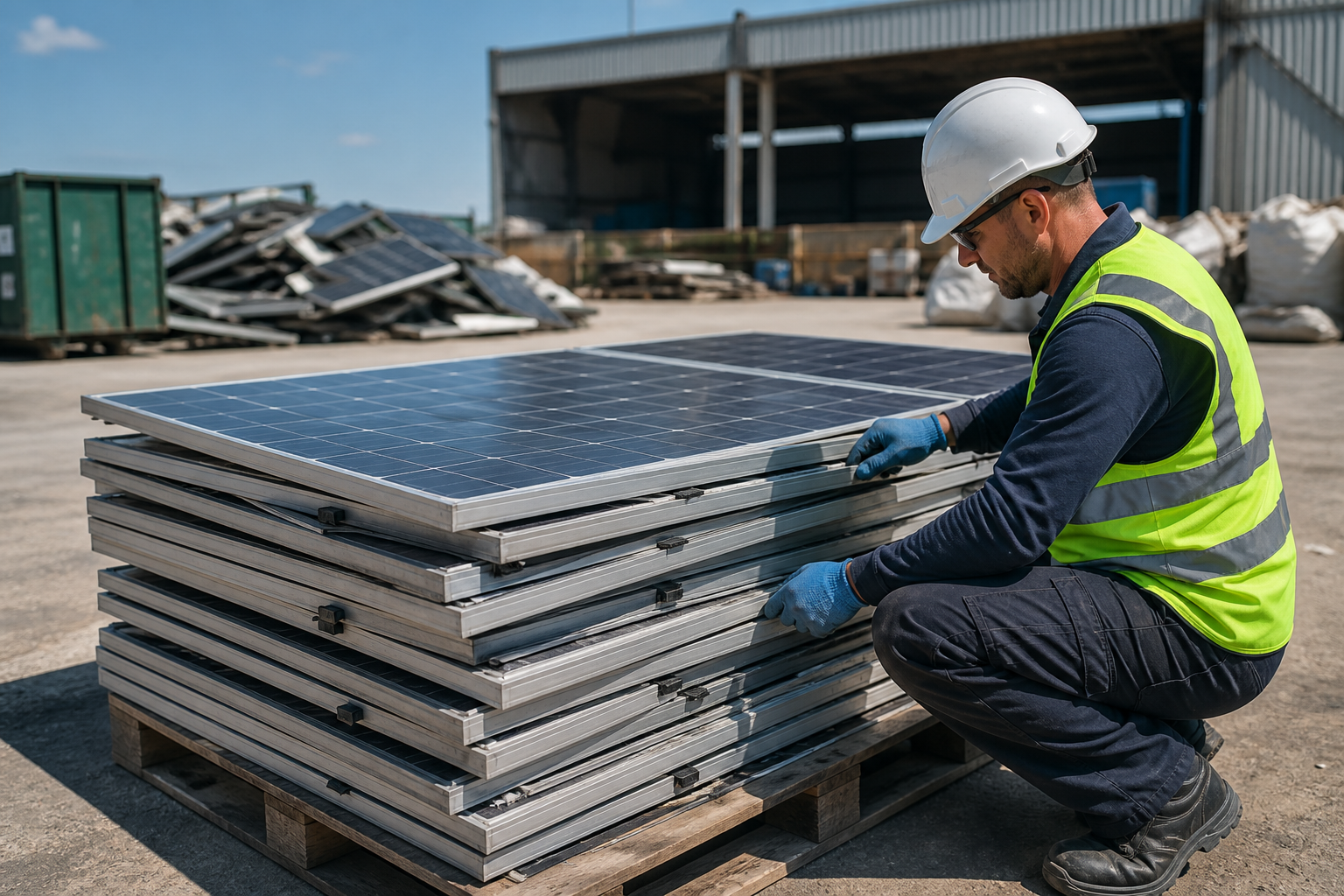
Every solar upgrade produces a by-product nobody talks about at quoting time: the old panels coming off the roof. Australia installed solar earlier and more enthusiastically than almost anywhere on earth, which means we're now facing one of the world's first big waves of retired panels. Where they end up is a choice — and it's worth making deliberately.
What's actually inside a panel
A typical solar panel is around three-quarters glass by weight, framed in aluminium, with silicon cells, copper wiring and small amounts of silver bound inside layers of plastic laminate. Almost all of that is recoverable. The aluminium frame and junction box come off easily; the glass is crushed and reused; and specialist processes can now extract the silicon and valuable metals from the laminated core. Recovery rates above eighty or ninety percent of a panel's weight are achievable at dedicated facilities operating in Australia today.
Why landfill is the wrong default
Dumped panels waste recoverable aluminium, glass, copper and silver — materials that took real energy to produce. Several states have moved to restrict e-waste, including solar panels, from landfill altogether, and the direction of national policy is clearly toward mandatory product stewardship for the solar industry. Beyond compliance, there's a simple credibility point: a technology sold on environmental benefit should end its life responsibly too.
Reuse comes before recycling
Not every panel that leaves a roof is dead. Panels removed during an upgrade often still produce most of their rated output — they're just outdated, mismatched with new equipment, or too small to justify their roof space. Testing organisations and second-life programs can verify working panels for reuse in off-grid sheds, farm projects and community programs. A panel that works should get a second job before it gets shredded.
What to ask your installer
The removal contractor decides where your old panels go, so ask three questions before signing an upgrade contract. First: where exactly do the removed panels and the old inverter end up — a recycler, a reuse program, or a skip? Second: is there a documented recycling partner they can name? Third: is the disposal cost itemised in the quote? Reputable companies answer all three without flinching. If the answer is vague, that tells you something about the rest of the job too.
The bigger picture
Panel recycling in Australia is young but scaling quickly, with new facilities opening and collection networks spreading beyond the capital cities. Costs are modest — typically a few dollars per panel plus transport — and falling as volumes grow. Choosing an installer who uses these channels adds almost nothing to an upgrade's price and keeps hundreds of kilograms of good material in circulation. Your new system will be cleaner, smarter and more powerful than the one it replaces; its predecessor deserves a tidy exit as well.