
Solar
Signs Your Old Solar System Is Due for an Upgrade
Solar systems age quietly. Here are the warning signs — on your bill, on your roof and in your meter box — that your early system is ready for a refresh.
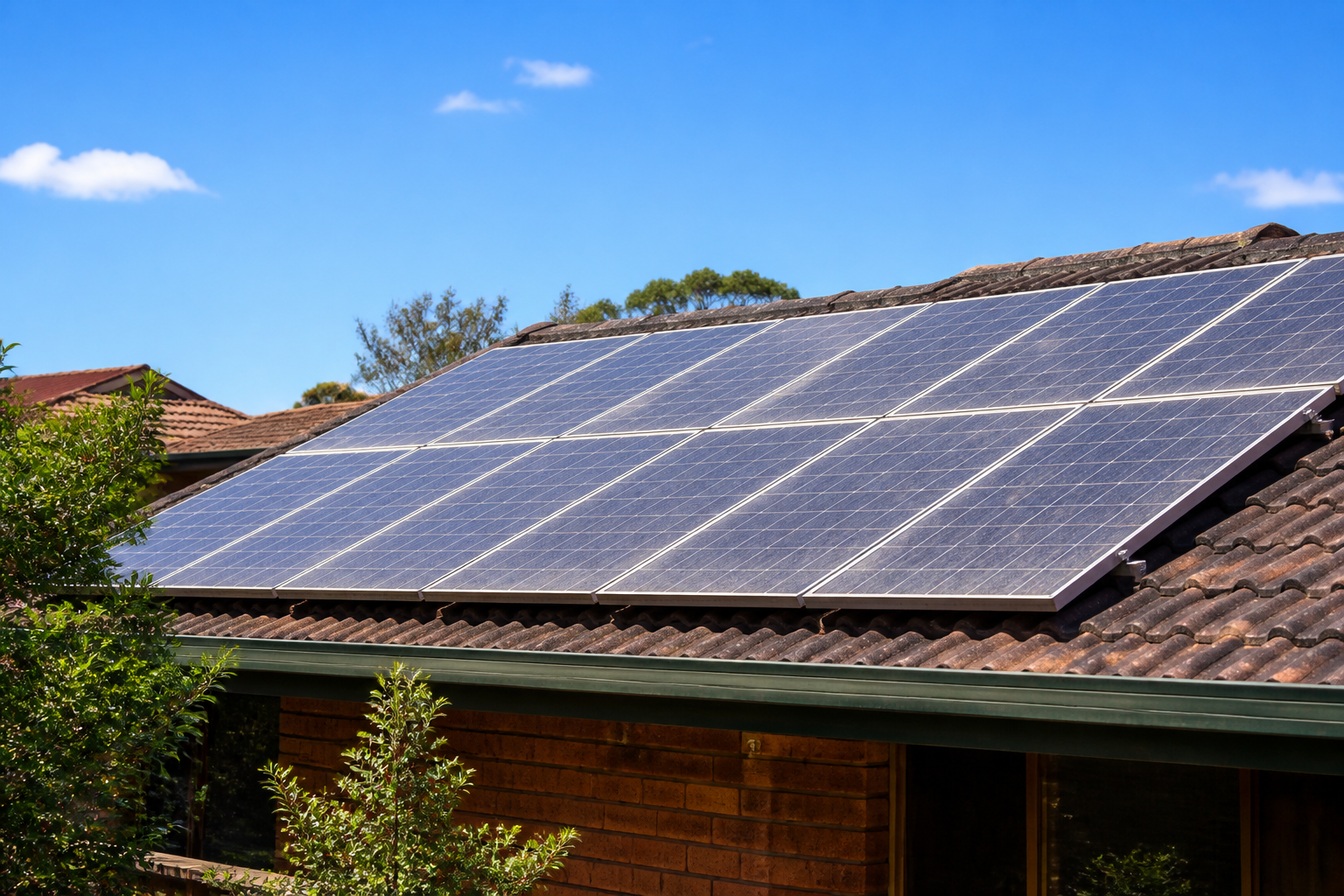
If your solar system went on the roof more than eight or ten years ago, it belongs to a different era. Panels were smaller, inverters were simpler, and many early systems were sized for a household that has since added an extra fridge, a home office and maybe an electric car. Old systems rarely fail with a bang — they fade. Here are the signs worth acting on.
Your bills are creeping back up
The clearest signal is the one you already receive every quarter. If your electricity bill has been climbing even though your habits haven't changed, your system may be producing less than it once did. Panels degrade gradually — a well-made module loses perhaps half a percent of output each year — but cheaper early-generation panels often degrade much faster, and a single failed panel on an old string can drag the whole array down with it.
The inverter is telling you something
Walk past your meter box and actually look at the inverter. A red or orange fault light, an error code on the display, or a screen that is blank in the middle of a sunny day all point to a unit on its way out. Most inverters from the early 2010s were built for a ten-year service life, and replacing one out of warranty often costs enough that a full system refresh deserves a look at the same time.
Your system is smaller than your life
Plenty of Australian roofs still carry 1.5 or 2 kW systems installed when generous feed-in tariffs made small arrays sensible. Those tariffs are long gone, and a system that size barely dents a modern household's usage. If you've added air conditioning, a pool pump, an EV charger or simply more people, the economics now favour a larger, modern array — today's panels produce roughly twice the power of older ones from the same roof space.
No monitoring, no warranty, no installer
Many early systems shipped without any monitoring, so owners have no idea what they generate day to day. Add an expired warranty and an installer who has since left the industry, and every fault becomes a research project. A modern replacement brings consumption monitoring, long product warranties and a local company that answers the phone.
The good news
Upgrading is far simpler than the original install. The cabling route, the meter arrangement and the roof layout are already proven, and current rebates apply to replacement systems just as they do to new ones. A quick assessment will tell you whether your system needs a tune-up, a new inverter, or a full refresh — and what each path returns. If your system predates 2016, it's a conversation worth having this year rather than next.